
'We have pasta at home.' Join me for an avant-garde Italian dinner that's as beautiful as it is delicious. This was my first time trying three different pasta dough colors in one recipe, and while I'll admit the aesthetics can definitely be improved with practice, the taste was absolutely amazing.
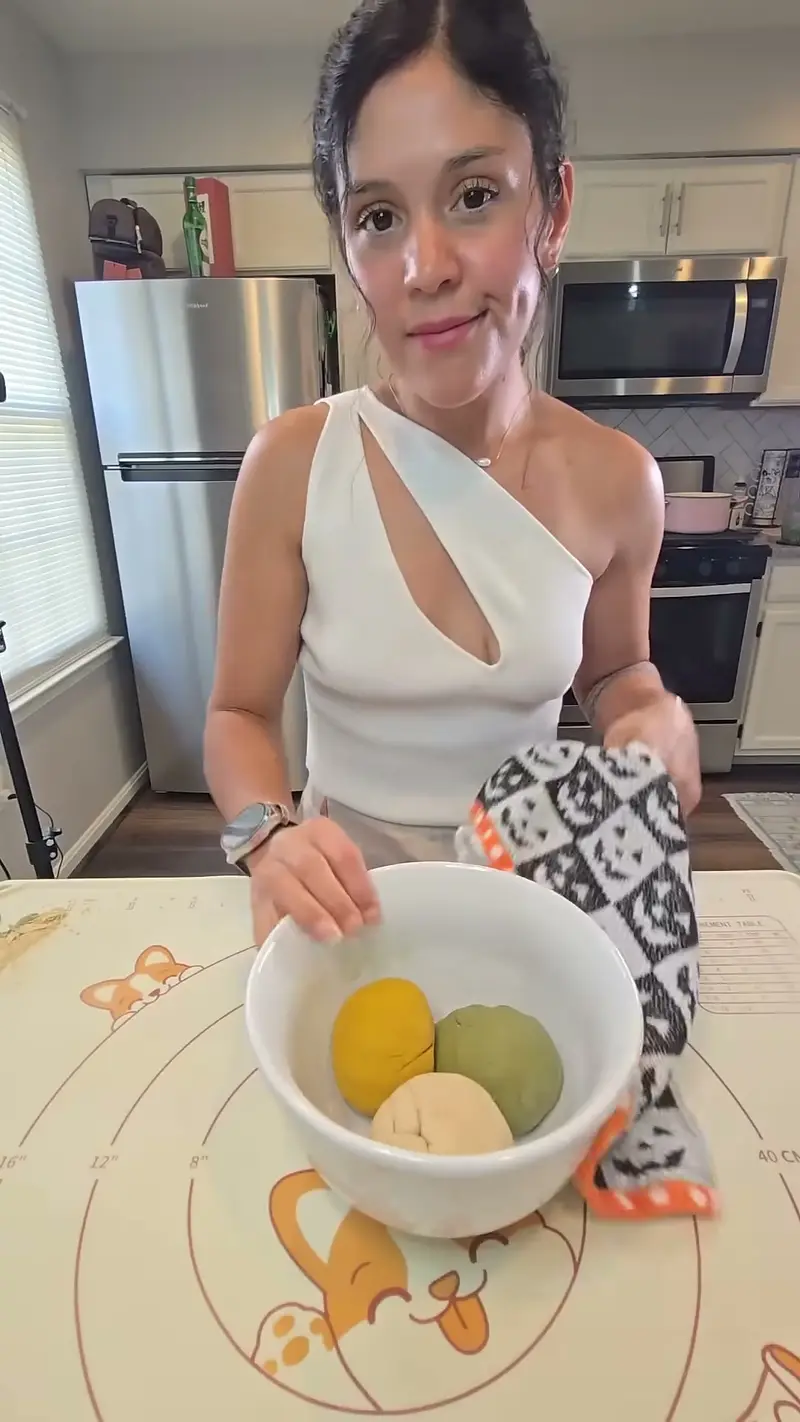
The concept here is to create three separate pasta doughs using natural colorings: matcha powder for a vibrant green, turmeric powder for a golden orange, and classic natural dough with no additions. You can get creative with how you combine the three colors when assembling your ravioli—I used different colors for the top and bottom layers, created patterns, and mixed and matched however I felt inspired. It's pasta as art, which appeals to both my creative side and my love of cooking.
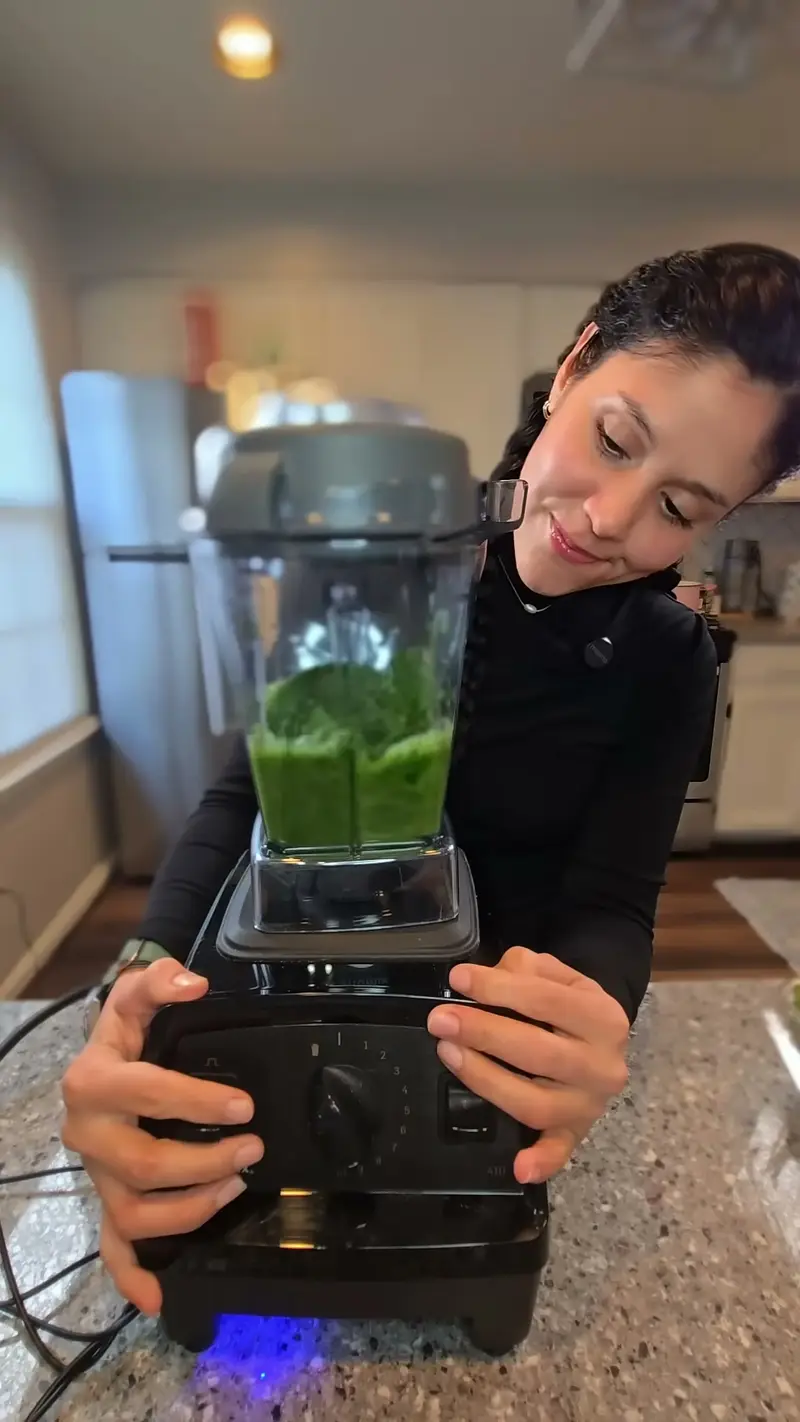
The filling is beautifully simple: blanched spinach mixed with cashews, parmesan cheese, olive oil, salt, and pepper. The result tastes very similar to pesto, but with cashews instead of pine nuts and the addition of spinach for extra nutrients and color. This is one of those recipes where the process is as enjoyable as the final result—experimenting with natural pasta colors and creating something uniquely beautiful made me feel like a real pasta artist.
I love how this recipe pushes me to try new techniques and expand my pasta-making repertoire. Yes, it takes more time than regular ravioli because you're making three separate doughs, but the visual impact is absolutely worth it. This is the kind of dish you make when you want to impress dinner guests or just treat yourself to something special.
About the ingredients
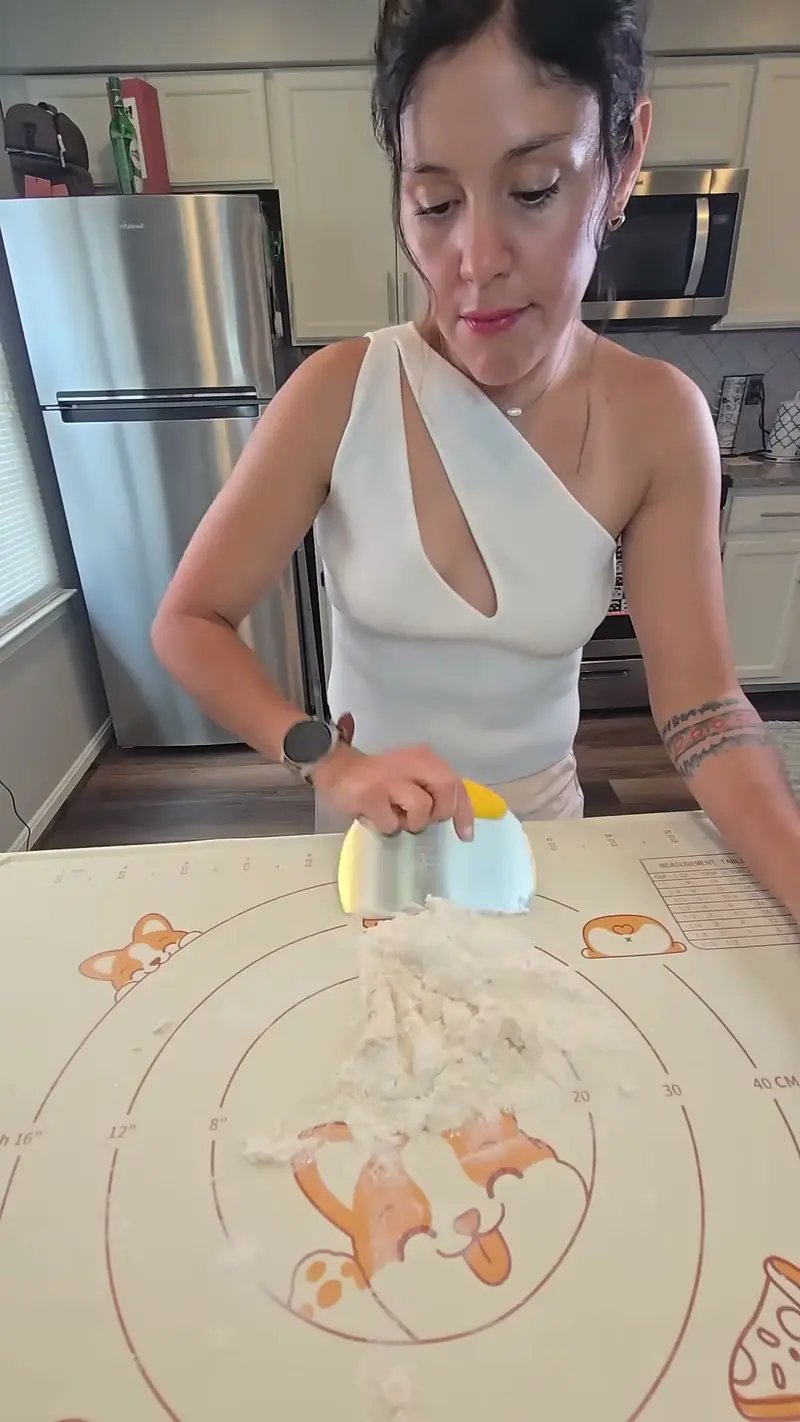
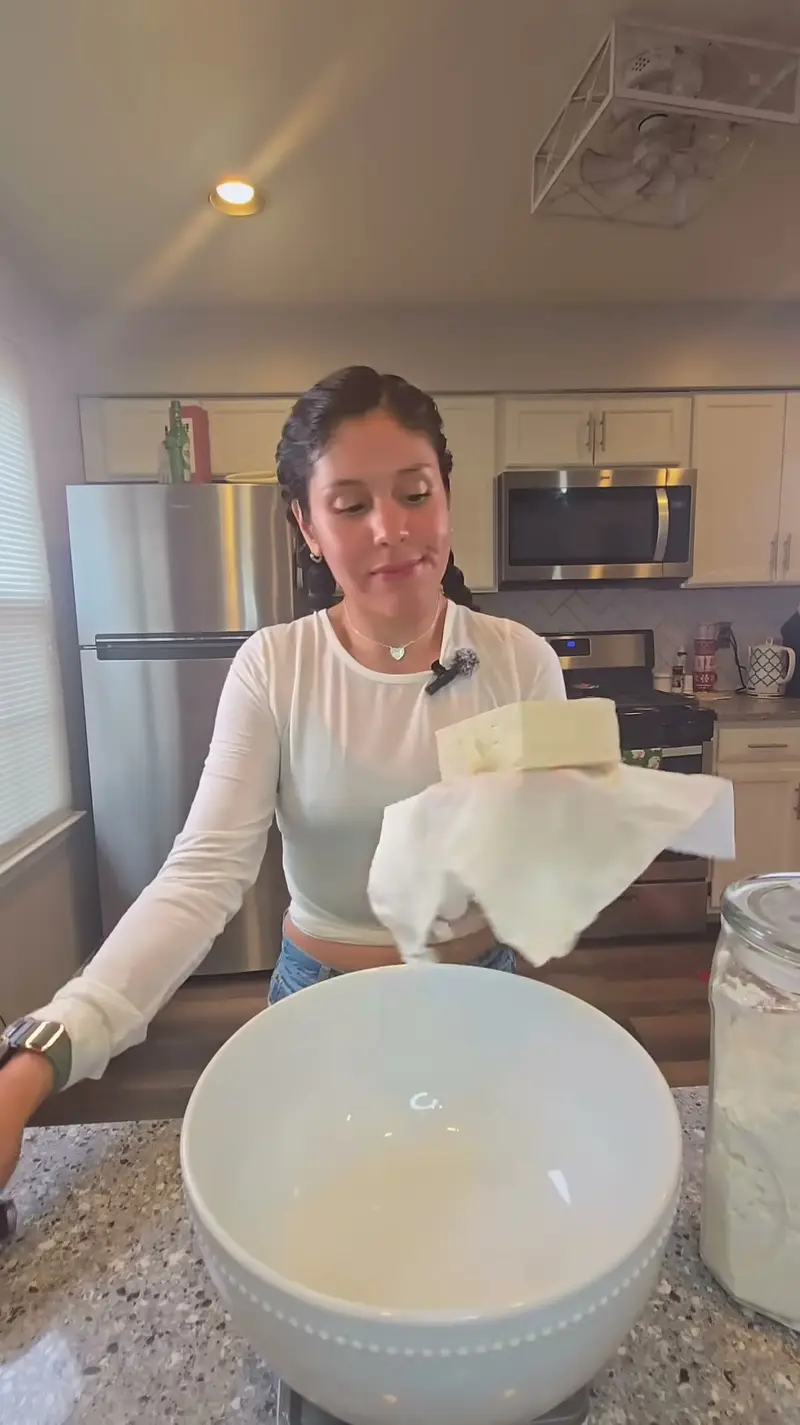
Let's talk about the three pasta doughs. Each batch follows the same base formula: 200g of all-purpose flour mixed with 2 eggs. For the natural dough, that's all you need—classic pasta that I've been making for years. For the green dough, I add 1-2 teaspoons of matcha powder to the flour before adding the eggs. Matcha gives you that vibrant emerald color and adds a subtle earthy note plus antioxidants. I love the slight green tea flavor it brings. For the orange dough, I add 1-2 teaspoons of turmeric powder, which creates a beautiful golden-orange hue and brings warm, slightly peppery notes along with anti-inflammatory benefits.
The amount of matcha or turmeric you use will affect both the intensity of the color and the subtlety of flavor. I recommend starting with 1 teaspoon and adding more if you want a more vibrant color. Keep in mind that the color will be more intense in the raw dough than after cooking.
The filling is wonderfully simple but flavorful. I start with fresh spinach—about 2 cups—which gets blanched briefly to wilt it down and make it easier to work with. You'll need to really squeeze out the excess water from the blanched spinach; this is crucial for preventing watery filling. I cannot stress this enough—squeeze it like you're trying to wring out a wet towel. Raw cashews (about half a cup) create a creamy, rich base similar to traditional pesto but without pine nuts, which I appreciate both for cost and flavor. Parmesan cheese (half a cup) adds that nutty, salty depth that makes pesto so addictive, olive oil (2-3 tablespoons) brings everything together with richness, and salt and pepper season to taste.
This filling is so good that I sometimes make extra and use it as a dip or spread for other meals throughout the week. It's incredibly versatile.
How I make it
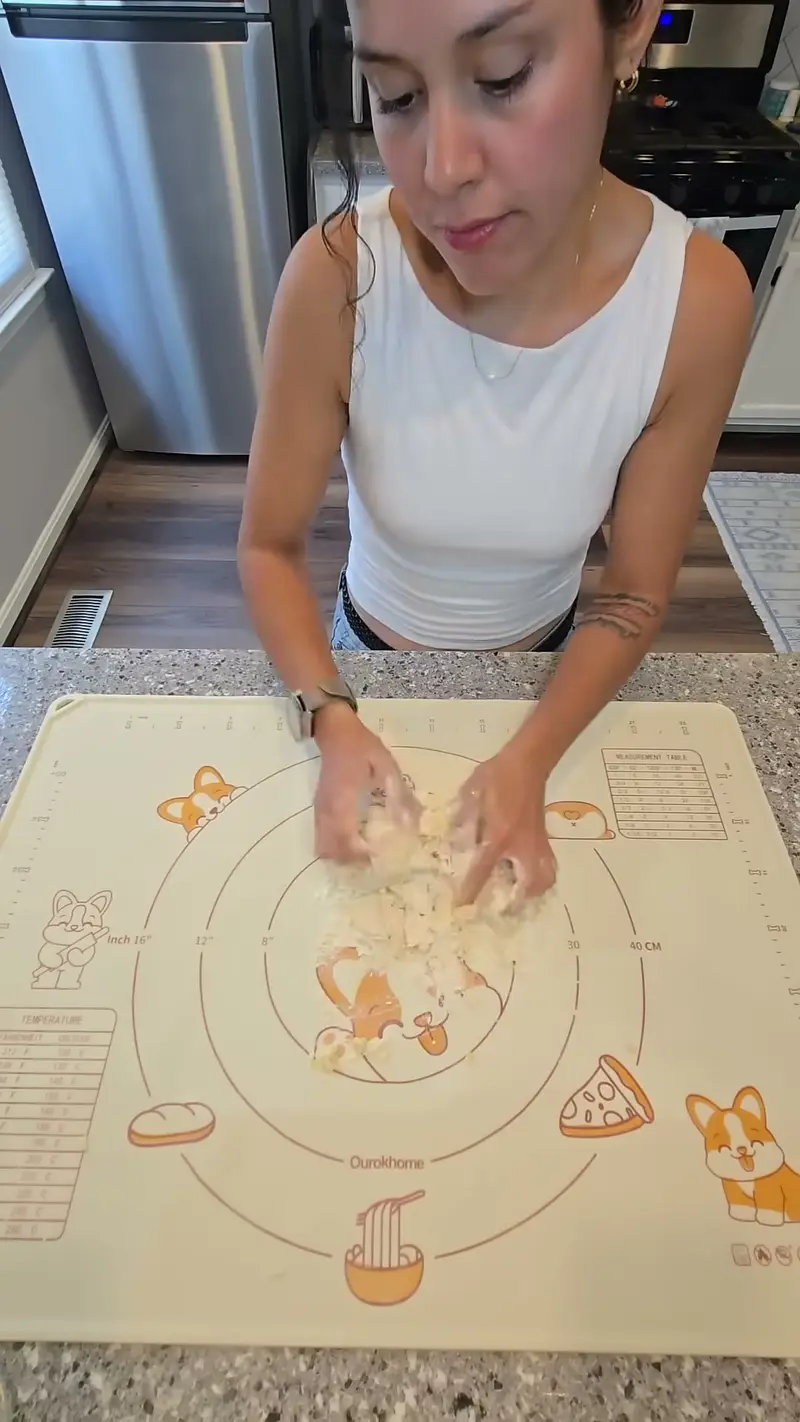
This recipe is definitely more involved than my standard ravioli because you're making three separate pasta doughs instead of one. But I promise the process is the same for each—you're just doing it three times. For each dough, you'll knead until smooth and elastic (about 8-10 minutes each), then wrap and let them rest while you prepare the filling. I usually tackle the doughs one at a time to avoid confusion.
Making the filling is straightforward: blanch the spinach briefly, squeeze it very well to remove all excess water, then blend it with cashews, parmesan, olive oil, salt, and pepper until you reach a pesto-like consistency. The key is getting it relatively smooth while still maintaining some texture. You're not looking for baby food smoothness, just a nice, spreadable consistency.
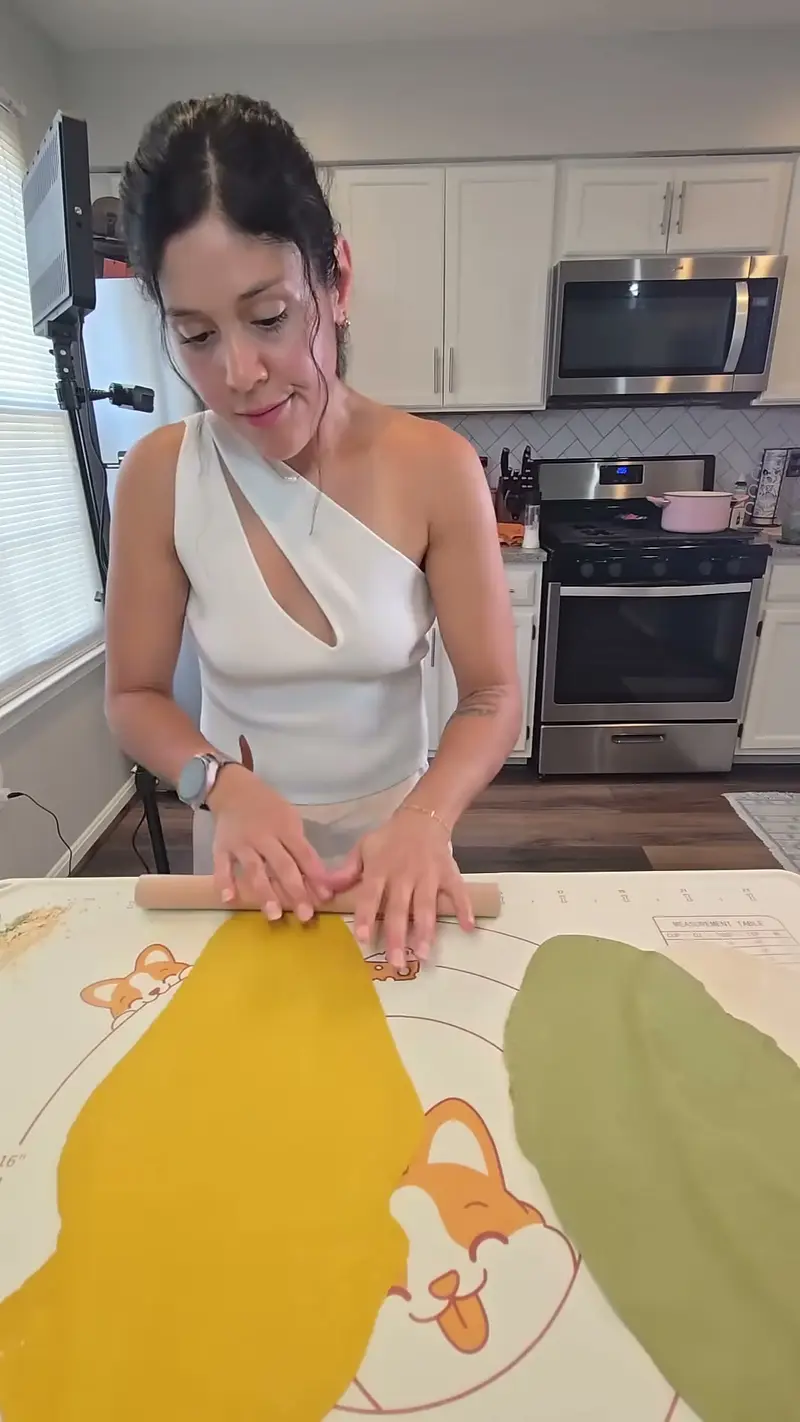
The fun part comes when you roll out your colored doughs and start getting creative with assembly. I roll each color out into thin sheets separately, then experiment with color combinations. You can use one color for the bottom layer of ravioli and a different color for the top. You can alternate colors randomly. You can create patterns or sections. This is your art project, and there's no wrong way to do it. I love how each ravioli can be different, making the final plated dish look like a gallery of edible art.
Cooking and finishing is the same as regular ravioli—boil in salted water for 3-4 minutes until they float, then toss with a simple sauce. I prefer keeping the sauce minimal with these because the visual impact is so strong. Usually just olive oil and parmesan, or a light butter sauce, lets the colors and flavors shine.
Tips from my kitchen
- This was my first attempt—practice makes perfect for aesthetics, so don't expect perfection on your first try
- Thoroughly squeeze blanched spinach to prevent watery filling that ruins the texture (I learned this the hard way)
- I use a pasta roller for more even, consistently thin sheets across all three colors
- Natural food coloring powders add subtle flavor without significantly altering taste
- You can substitute pine nuts for cashews for a more traditional pesto flavor profile
- Keep colored doughs separate until assembly to maintain distinct colors without bleeding
- Experiment with other natural colorings like beet powder (pink) or activated charcoal (black) for even more color options
- The colored doughs may require slightly different amounts of flour due to the added powders—adjust as needed for proper consistency
Made it? Tell me how it went