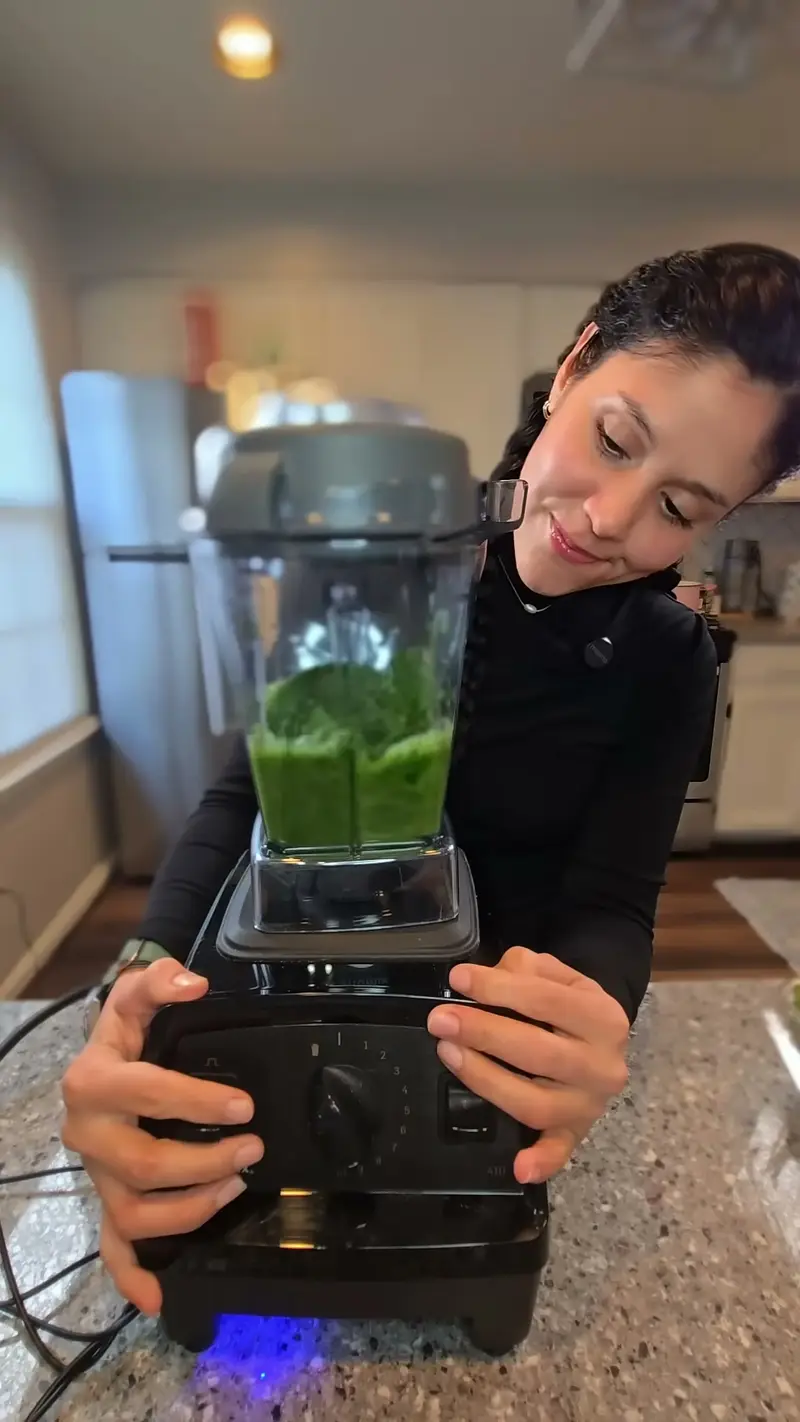
High Protein Tofu Pasta

This two-ingredient homemade pasta uses tofu instead of eggs for a vegan, high-protein alternative that you genuinely cannot taste.

Total
25 min
Prep
15 min
Cook
10 min
Serves
2–3
Protein
15–18gper serving
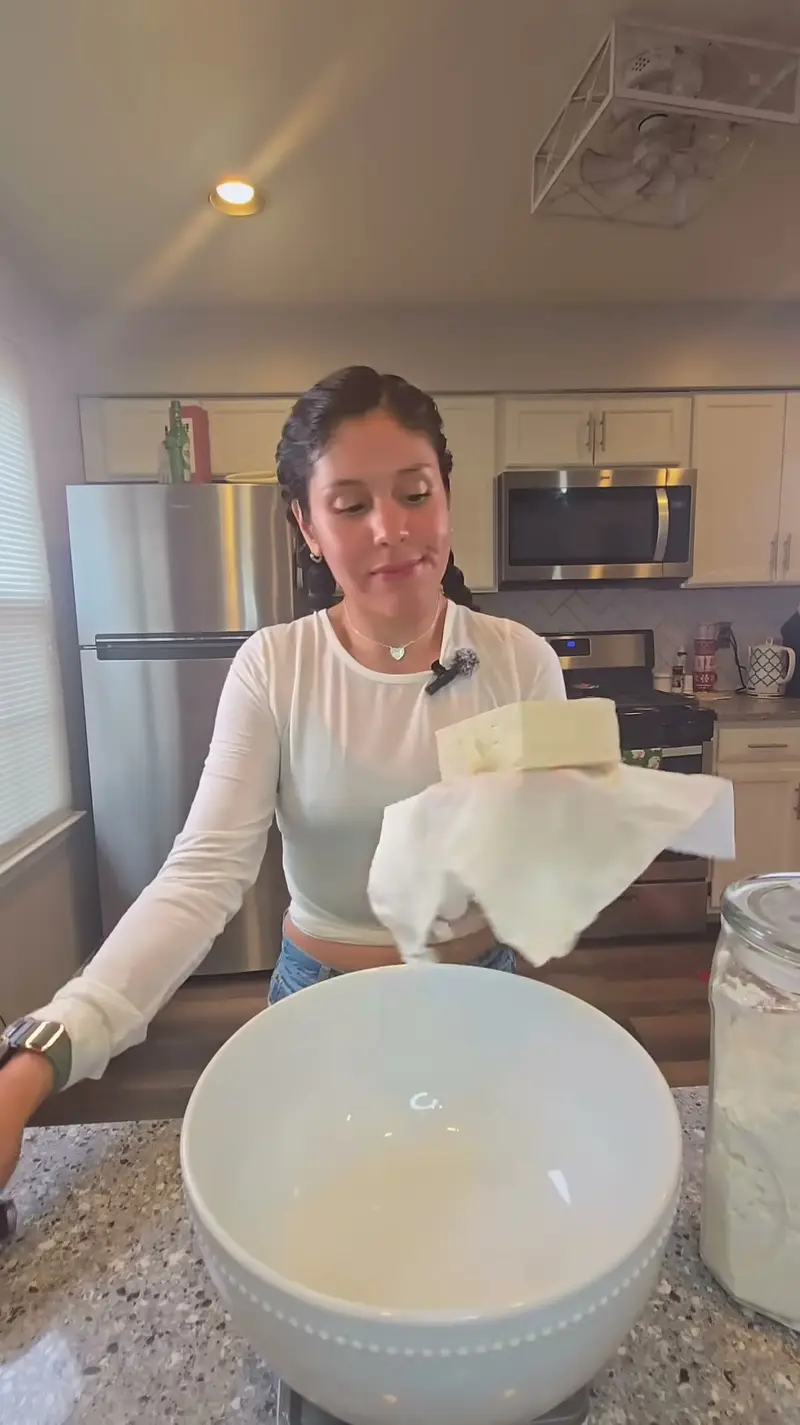
Crystal pressing the water out of a block of tofu over a mixing bowl

Why you’ll love it

  • Only 2 ingredients create fresh homemade pasta that's vegan and egg-free - it's so simple it almost feels like cheating
  • Provides 15-18g of protein per serving from tofu, much higher than regular pasta and even comparable to egg pasta
  • You genuinely cannot taste the tofu once it's cooked and sauced - I was shocked by this
  • Fresh pasta cooks in just 3-5 minutes compared to dried pasta's 10-12 minutes, making dinner faster
  • Can be made ahead and stored in the fridge for 2-3 days or frozen for weeks for easy meal prep
The one step that mattersUse firm tofu (not extra firm or soft) for the best texture and moisture content - this is the sweet spot

This recipe is an absolute game-changer for anyone who's vegan or plant-based and misses the protein boost that eggs provide in traditional pasta. I tried making tofu pasta for the first time while filming this video, and it immediately went into the rotation - that's how good it is.

The concept is brilliant in its simplicity: tofu replaces eggs as both the protein source and the binder for the flour. If you've made homemade pasta before with the classic flour-and-eggs method, this follows the same general process but swaps tofu for the eggs. The result? You get pasta that's significantly higher in protein than egg-free dried pasta, and once it's cooked and covered with your favorite sauce, you legitimately cannot taste the tofu at all.

What I love about this recipe is how it opens up the world of fresh homemade pasta to vegans who can't do eggs. Fresh pasta has this incredible tender texture that dried pasta just can't match, and now everyone gets to enjoy it. I kept the sauce simple in the video with just garlic, olive oil, salt, pepper, and some greens I didn't want to go bad, but you can sauce this pasta however you like - marinara, alfredo, pesto, whatever makes you happy.

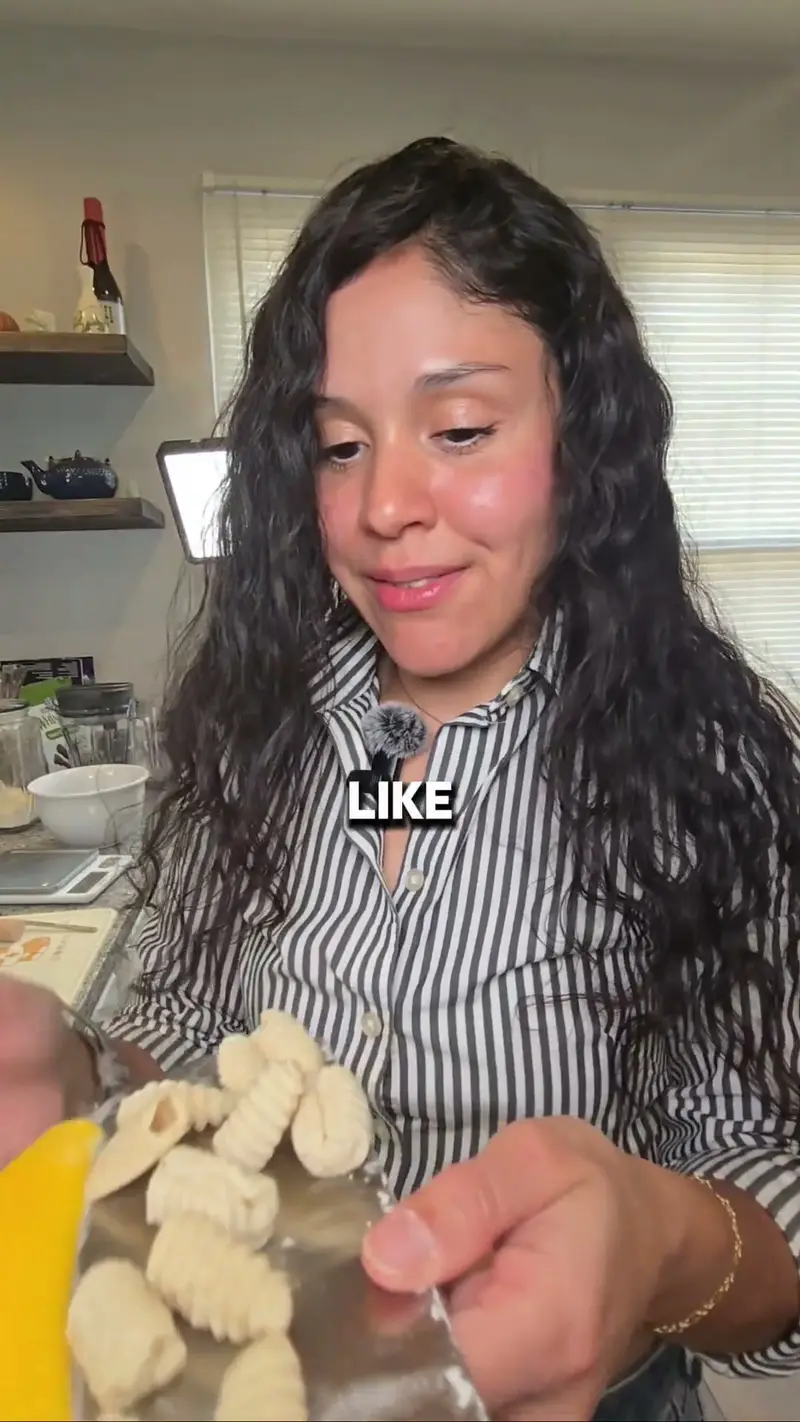
The first time I made this, I was genuinely skeptical that you wouldn't taste the tofu. But after cooking it and tossing it with the sauce, I took a bite and was completely blown away. It just tastes like pasta. Good, fresh, tender pasta with a beautiful texture and none of that tofu flavor. It's one of those recipes that proves vegan cooking doesn't have to be complicated or involve specialty ingredients - just tofu and flour, and you're making fresh pasta.
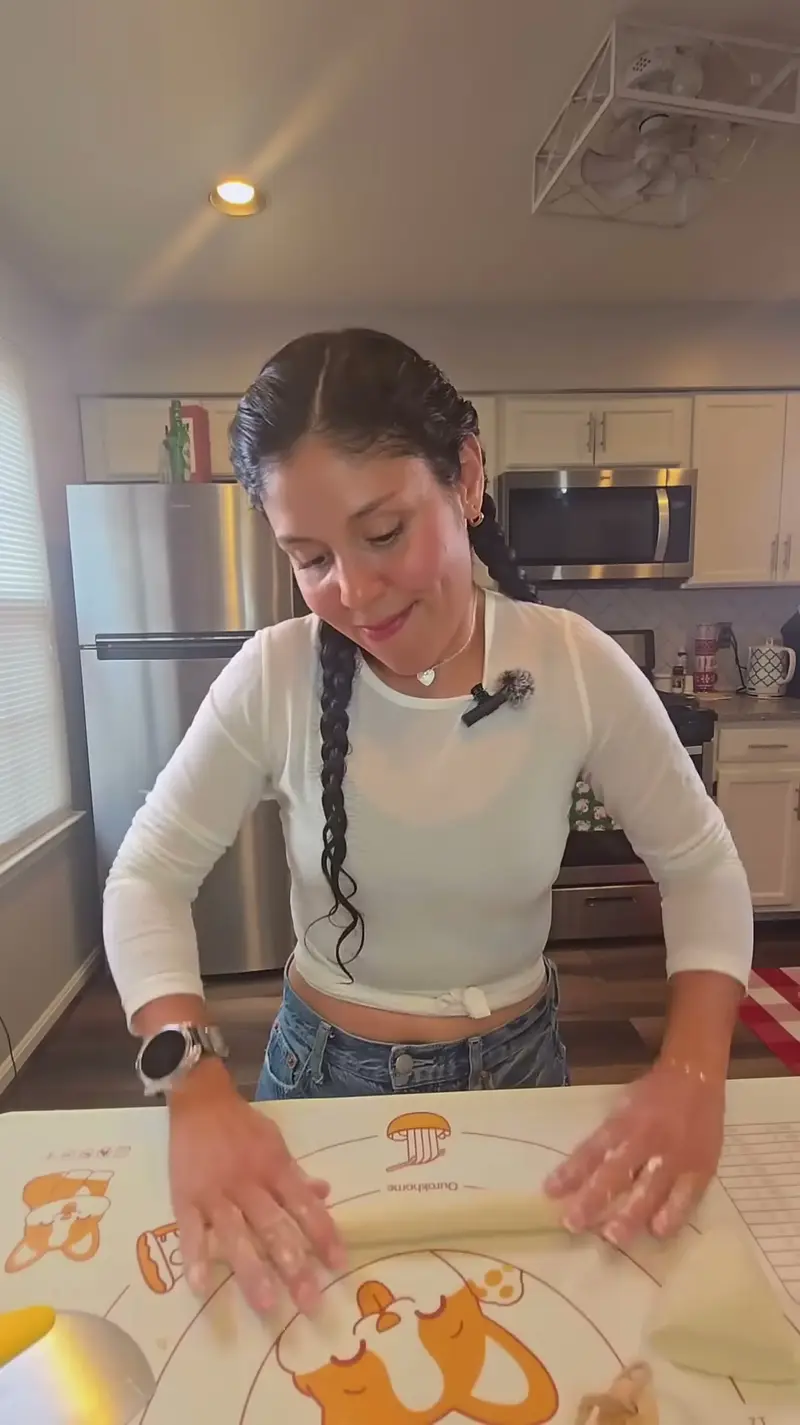
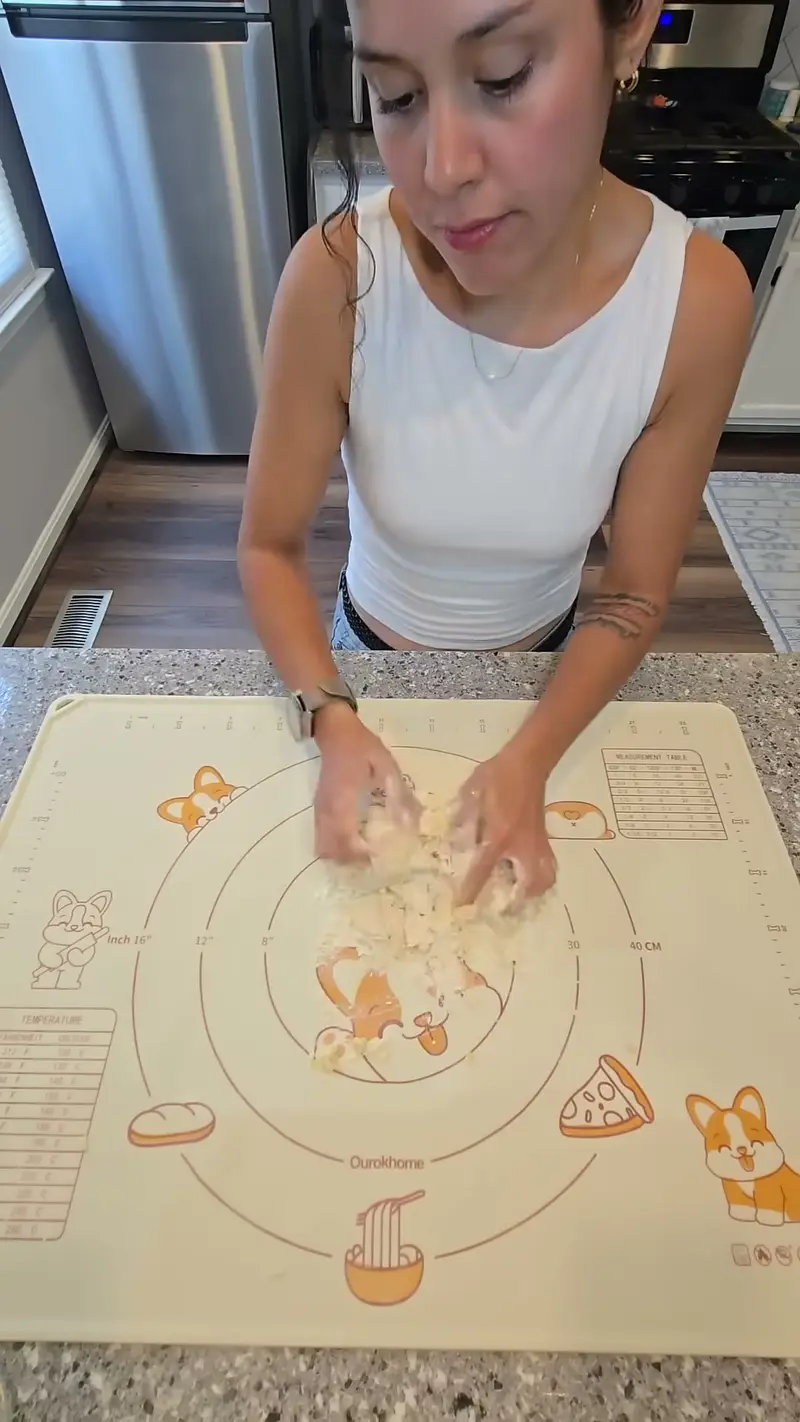
Crystal rolling out the tofu pasta dough on a silicone mat

About the ingredients

The star ingredient here is firm tofu - not extra firm, not soft, but right in the middle with firm tofu. You'll use half a block (about 200g), which is the perfect amount to balance with 200g of flour. The tofu needs to have enough moisture to bind the flour together, but not so much that your dough becomes sticky and unworkable. Extra firm tofu is too dry and won't bind properly, while soft or silken tofu is too wet and makes the dough sticky. Firm is the Goldilocks zone. Make sure to drain it well before using. Once this pasta is cooked and sauced, you won't taste the tofu at all, which makes it perfect even for people who think they don't like tofu.

For the flour, you'll use 200g of all-purpose flour. This creates the structure and chewiness of the pasta. I love the 1:1 ratio of tofu to flour because it's so easy to remember and scale - if you want more pasta, just double everything. You can experiment with other types of flour too - whole wheat would add more fiber and a nuttier flavor, or you could try a blend. The key is the ratio of flour to tofu, which creates a workable dough that's not too dry or too wet.

For the simple sauce shown in the video, you'll need minced garlic (3-4 cloves), olive oil (about 3 tablespoons), salt, pepper, and some greens like baby arugula or spinach (a couple handfuls). Don't forget to reserve some of that starchy pasta water before draining - about 1 cup. It's what brings everything together into a cohesive, silky sauce that clings to the pasta. The starch in the pasta water acts as an emulsifier.
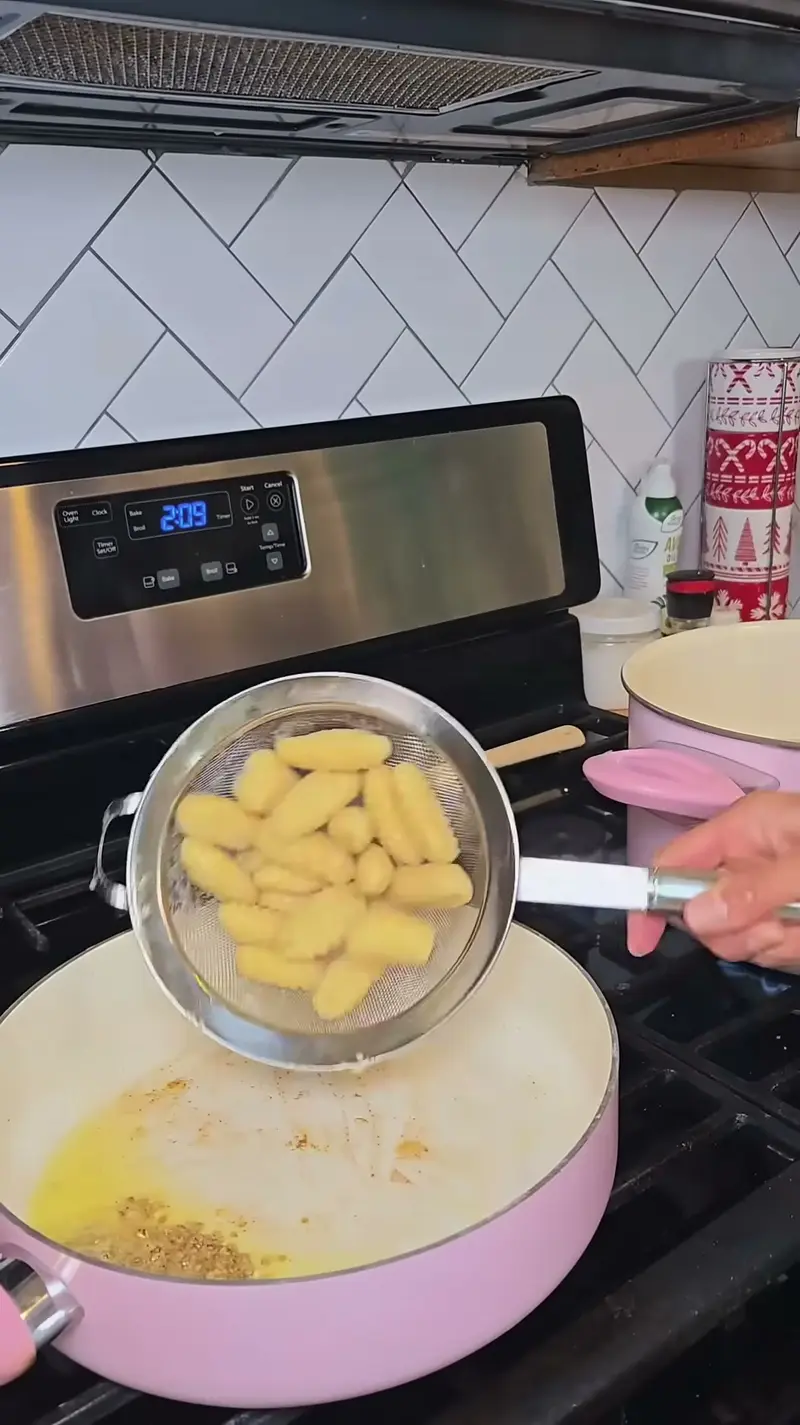
Crystal tipping cooked pasta from a strainer into a pink pan

How I make it

Making the dough is straightforward but requires some good old-fashioned kneading. You break up the tofu in a bowl, add the flour, and then work it together with your hands for several minutes until it forms a smooth, cohesive dough. The kneading is important - it develops the structure and makes the pasta tender with a good chew.

Rolling out the dough requires getting it quite thin. You want to be able to almost see your hand through it when held up to the light, but not so thin that it tears easily. If you have a pasta roller, this is where it shines, but a regular rolling pin works perfectly fine too. I've made this countless times with just a rolling pin.

Fresh pasta cooks incredibly fast compared to dried pasta - usually just 3-5 minutes in boiling salted water. You'll know it's done when it floats to the top and has a tender bite. Don't overcook it or it becomes mushy.

The sauce in this recipe is super simple and lets the pasta shine. Garlic sautéed in olive oil with some wilted greens, seasoned with salt and pepper, and brought together with that reserved pasta water. The starchy pasta water is crucial - it helps the sauce cling to the pasta and creates that restaurant-quality silky texture. You just toss the drained pasta in the pan with the sauce, add a splash of pasta water, and let everything come together for a minute. Perfect.

Tips from my kitchen

  • Use firm tofu (not extra firm or soft) for the best texture and moisture content - this is the sweet spot
  • Drain the tofu well before using to remove excess water, but don't press it for hours like you would for stir-frying
  • The dough should feel similar to traditional pasta dough - smooth and slightly elastic, not sticky or crumbly
  • Fresh pasta cooks much faster than dried (3-5 minutes), so watch it carefully and don't walk away
  • Always reserve some pasta water before draining - it's essential for sauce consistency and is liquid gold
  • This pasta can be cut into any shape: fettuccine, spaghetti, pappardelle, or even ravioli if you're feeling ambitious
  • Freeze uncooked pasta on a baking sheet first, then transfer to a freezer bag so pieces don't stick together
High Protein Tofu Pasta

This two-ingredient homemade pasta uses tofu instead of eggs for a vegan, high-protein alternative that you genuinely cannot taste.
Prep
15 min
Cook
10 min
Total
25 min
Serves
2–3
Calories
320–380

Ingredients

Pasta
  • 200g all-purpose flour (about 1⅔ cups - weighing is most accurate)
  • Half a block (approximately 200g) firm tofu (NOT extra firm or soft - firm is key for right texture)
Simple Garlic Greens Sauce
  • 3-4 cloves garlic, minced
  • 3 tbsp extra virgin olive oil
  • Salt and freshly ground black pepper to taste
  • 2-3 large handfuls baby arugula and spinach (or any greens you have)
  • 1 cup reserved pasta water (scoop out before draining - essential!)
Optional additions
  • Red pepper flakes for heat
  • Parmesan or nutritional yeast for savory umami
  • Cherry tomatoes for freshness

Instructions

  1. Drain firm tofu well - let excess water drip off for a few minutes. You don't need to press it for hours, just remove obvious excess moisture.
  2. Add drained tofu to large bowl. Use hands to break it up and mash thoroughly, working it until well incorporated. Small bits are fine - doesn't need to be completely smooth.
  3. Add 200g flour to bowl with tofu. This is where it gets messy and fun - roll up your sleeves! Use hands to incorporate flour and tofu together, mixing and squeezing to combine.
  4. Knead dough in bowl (or on clean work surface) for 5-8 minutes, really working the flour into the tofu. Dough should come together into cohesive ball that feels smooth and slightly elastic, similar to regular pasta dough. If too dry and crumbly, add tiny bit of water (1 tsp at a time). If too wet and sticky, add bit more flour (1 tbsp at a time).
  5. Once you have smooth dough ball, use pasta roller, pasta mat, or regular rolling pin to roll dough out thin. Aim for thin enough to see your hand through when held up to light, but not so thin it tears easily - about 1/16 inch thick.
  6. Cut rolled dough into desired pasta shape using knife or pasta cutter. Fettuccine and spaghetti are classic, but any shape works. Dust cut pasta lightly with flour to prevent sticking.
  7. Bring large pot of water to rolling boil. Add generous amount of salt - water should taste like the sea (about 2 tbsp salt per 6 quarts water).
  8. Add fresh pasta to boiling water. Stir gently to prevent sticking. Fresh pasta cooks very fast - only 3-5 minutes total. You'll know it's done when it floats to top and has tender bite. Taste a piece to check doneness.
  9. Before draining, use measuring cup or ladle to scoop out at least 1 cup pasta water. Set aside - this is crucial for sauce!
  10. While pasta cooks, make sauce: Heat 3 tbsp olive oil in large pan over medium heat. Add minced garlic and sauté until fragrant and just starting to turn golden, about 1 minute. Don't let it burn or it becomes bitter!
  11. Season with generous pinch of salt and several grinds black pepper. Add greens (arugula and spinach). Sauté until greens wilt down, 1-2 minutes. They'll reduce significantly.
  12. Drain cooked pasta (remember you already reserved pasta water!).
  13. Add drained pasta directly to pan with sauce. Add generous splash of reserved pasta water (start with 1/4 cup) - this helps sauce cling to pasta and creates silky consistency.
  14. Toss everything together over medium heat for about 1 minute, letting pasta absorb flavors and sauce come together. Add more pasta water as needed if it seems dry - you want it glossy and well-coated.
  15. Serve immediately while hot. Fresh pasta is best eaten right away! Garnish with more black pepper, red pepper flakes, or nutritional yeast if desired.
  16. **Storage:**
  17. Leftovers can be stored in airtight container in fridge 2-3 days. Reheat gently with splash of water or broth to rehydrate.
Nutrition, per serving (pasta only, approximately 1/3 of recipe)
320-380 calories15-18g protein55-65g carbs4-6g fat3-4g fiber

Questions I get about this one

Can you really not taste the tofu in the pasta?

Seriously, no! This was my first time trying it too, and I was skeptical, but once it's cooked and covered with sauce, you absolutely cannot taste the tofu. The tofu is just there for structure and protein - the flavor completely disappears into the background. It just tastes like regular fresh pasta. I've served this to non-vegan friends and they had no idea there was tofu in it.

What type of tofu should I use?

Firm tofu is ideal. It has the perfect moisture content to bind with the flour without making the dough too wet or too dry. Extra firm tofu might be too dry and crumbly, making it hard to form a cohesive dough. Soft or silken tofu would make the dough too wet and sticky, requiring way too much extra flour. Firm is the goldilocks zone.

How long does homemade tofu pasta last?

Fresh uncooked pasta can be stored in an airtight container in the fridge for 2-3 days, or you can freeze it for up to a month. To freeze, lay the cut pasta in a single layer on a baking sheet and freeze until solid (about 2 hours), then transfer to a freezer bag. This prevents the pieces from sticking together. Cook from frozen, adding just a minute or two to the cooking time.

Made it? Tell me how it went

Your rating
Jump to recipeWatch