
This is like eating a salad but so much better! When I had a container of baby spinach and arugula starting to wilt, instead of tossing it, I transformed it into this gorgeous green pasta. Homemade ravioli might sound intimidating, but this dish actually comes together in 30 minutes or less - faster than you'd think.
The brilliance of this recipe is threefold. First, the spinach gets used in two ways: blended into the pasta dough for vibrant green noodles, and wilted in the sauce for serving. Second, the filling is made using a clever double-boiler technique that creates a rich, custard-like egg-Parmesan mixture that stays creamy inside the ravioli. Third, you're getting protein from both the eggs and the spinach, all packaged in gorgeous homemade pasta pillows.
Using up greens that are starting to wilt is the perfect application here - the blending and cooking process revives them completely. You'd never know these weren't made with the freshest greens from the farmers market. Whether you have a ravioli mold or just use a glass to cut circles, this recipe proves that homemade pasta is absolutely achievable on a weeknight.
I love this recipe because it's both practical and impressive. Practical because it uses up produce that would otherwise go to waste, and impressive because the vibrant green pasta looks restaurant-quality. The double-boiler technique for the filling was a game-changer for me - it creates this luxurious, custard-like texture that's so much more interesting than a traditional ricotta filling. And honestly, making fresh pasta is one of my favorite kitchen activities. There's something so satisfying about working with the dough and seeing those perfect little ravioli pillows come together.
About the ingredients
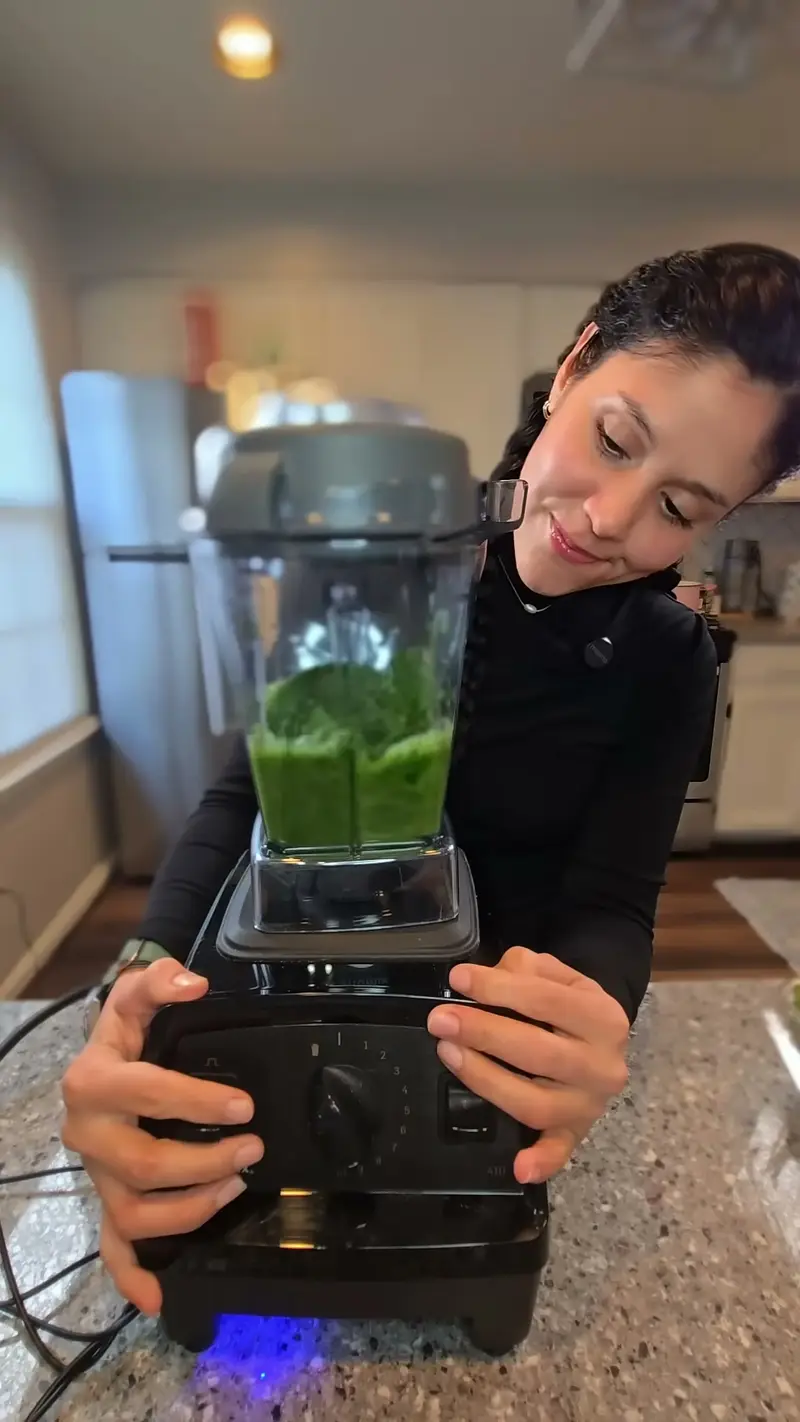
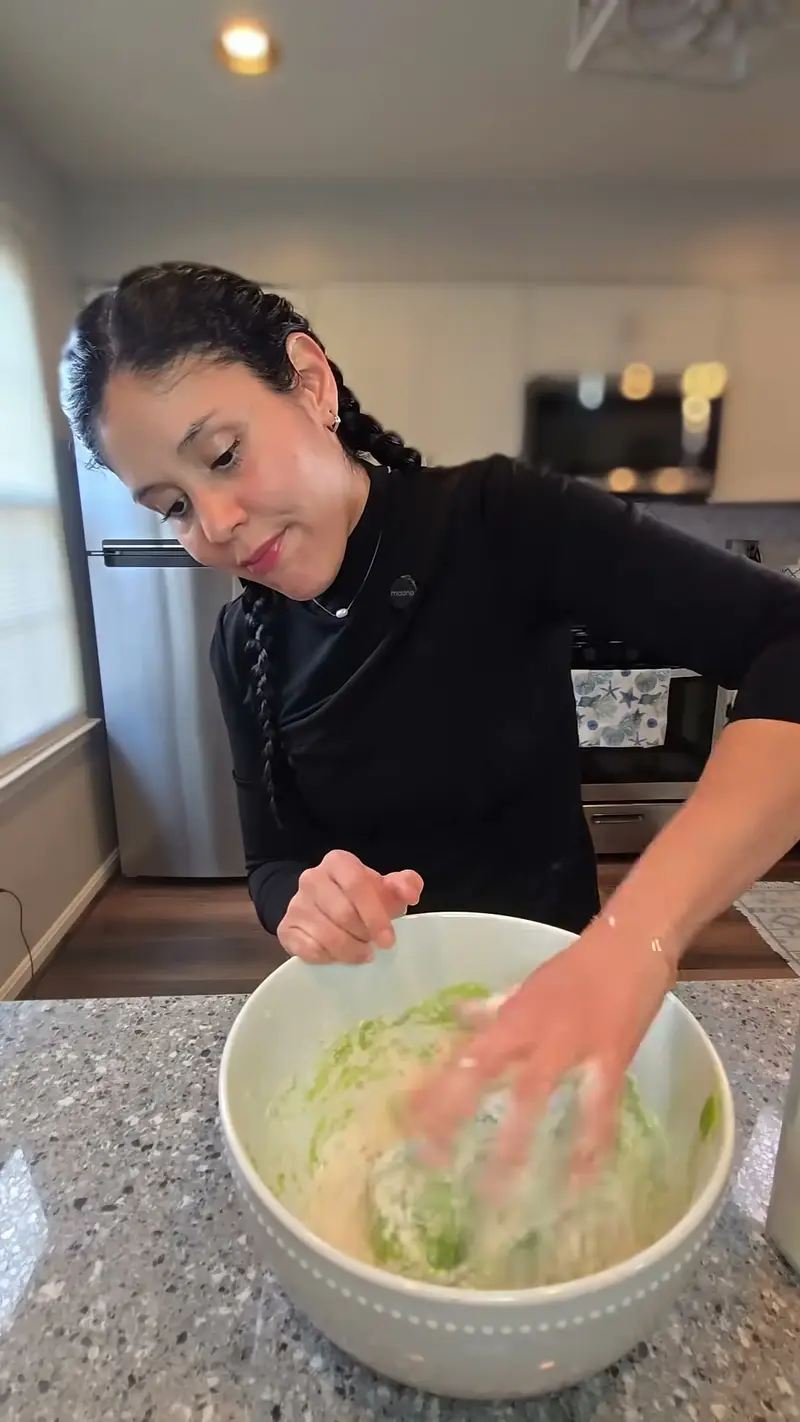
The pasta dough starts with about half a container of baby spinach and arugula mix (or any leafy greens I have on hand) blended with 1 cup of water until bright green and smooth. I strain this to remove chunks, then mix it with approximately 2.5 cups of all-purpose flour - I might need a bit more or less depending on how much liquid I have. A pinch of salt enhances the flavor. The dough comes together quickly and rests while I make the filling.
The egg-Parmesan filling is genius in its simplicity. I crack 4 eggs into a bowl set over simmering water (double-boiler style) and whisk continuously as they gently heat. Adding ½ cup of grated Parmesan cheese while whisking creates this incredible custardy paste that's rich and creamy, perfect for stuffing ravioli. The gentle indirect heat prevents scrambling - it's all about patience here.
For the garlic-spinach sauce, I use the remaining half of the greens along with olive oil, minced garlic, salt, and pepper. Adding pasta water to the sauce creates a silky coating that clings to the ravioli. Extra Parmesan, sea salt, and black pepper finish the dish beautifully.
What I love about this ingredient list is how flexible it is. The greens can be any combination of what you have on hand - I've made this with all spinach, all arugula, a mix of both, and even with kale when that's what needed to be used up. The key is the blending technique which turns any green into a beautiful, vibrant pasta liquid. And that double-boiler egg filling? It's become one of my favorite techniques. The texture is so unique and luxurious, miles better than a standard ricotta filling.
How I make it
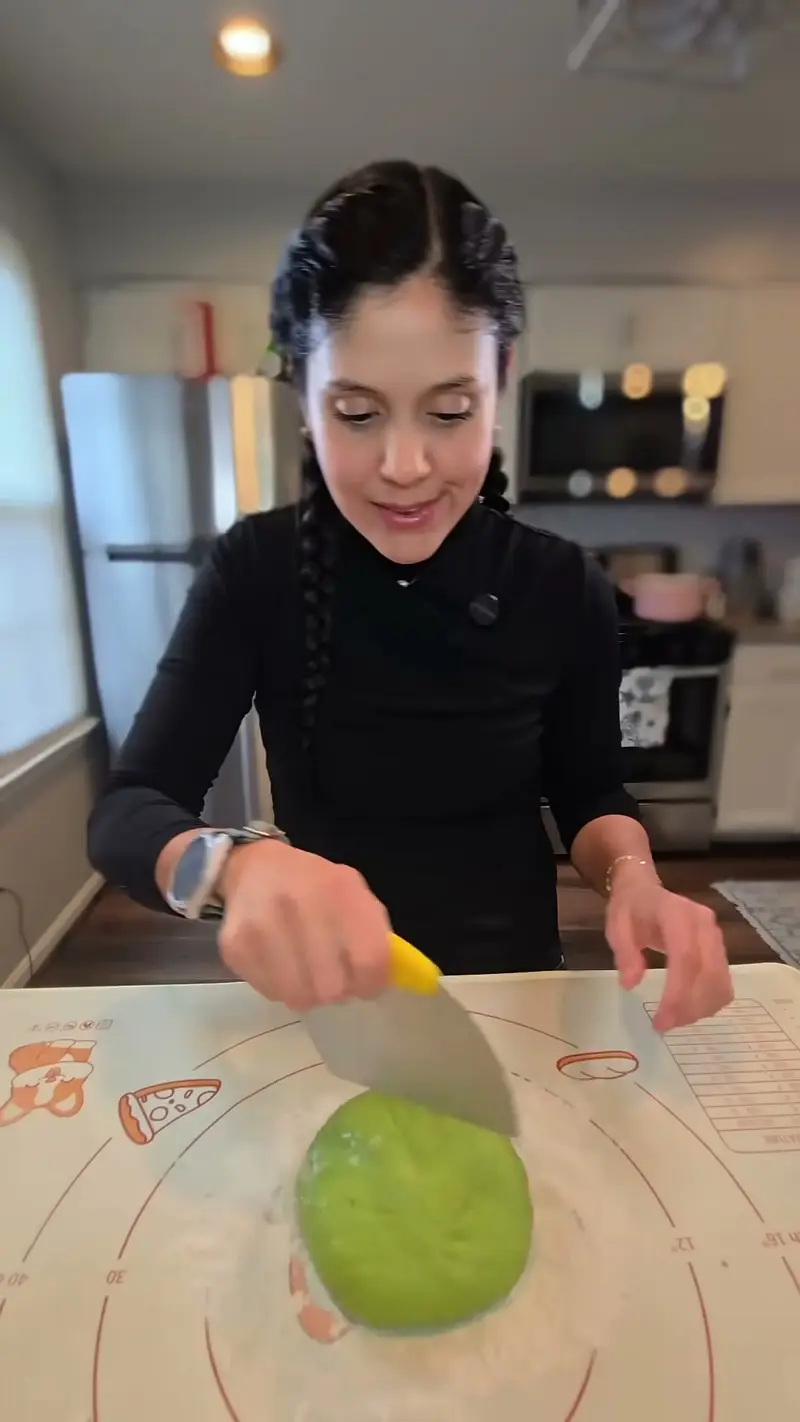
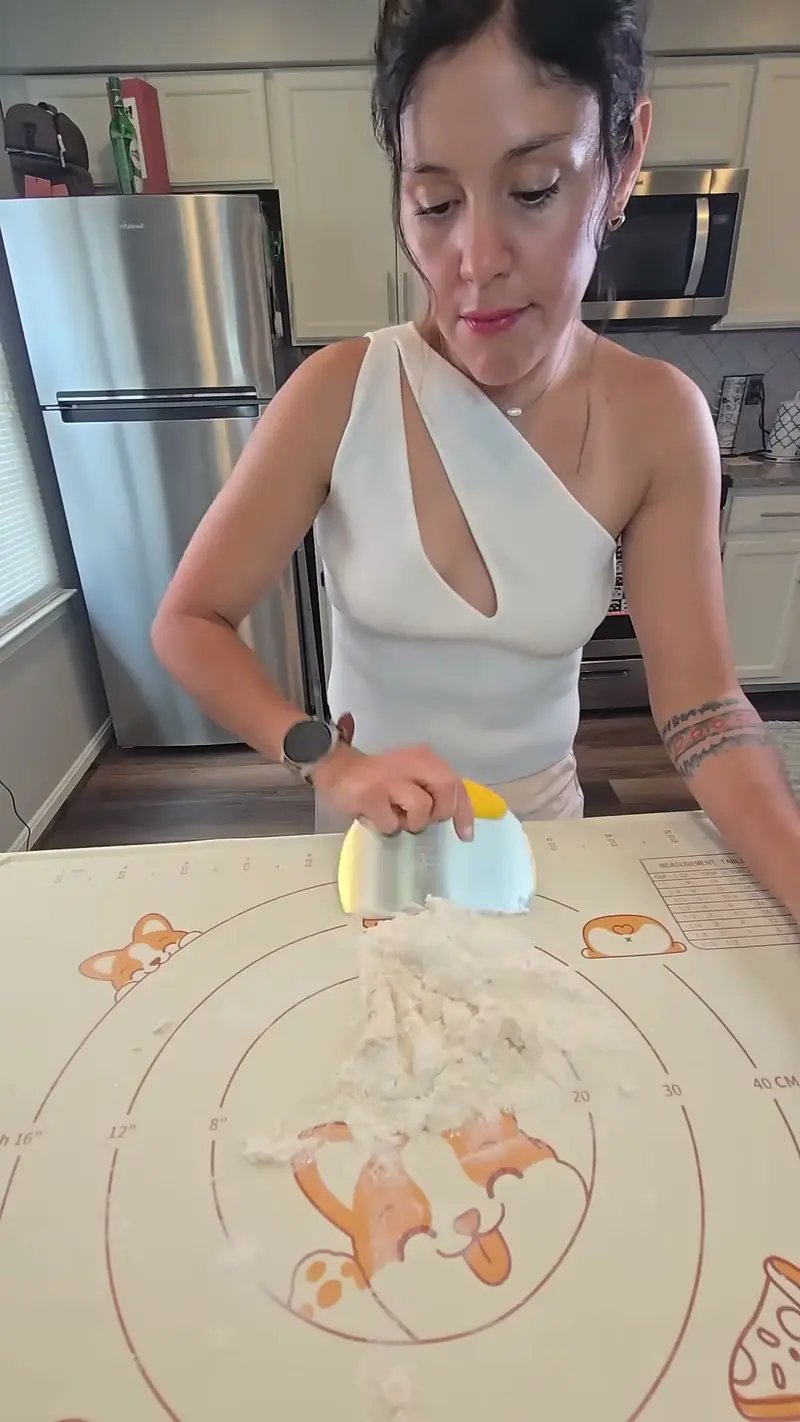
The process begins with making the green pasta liquid. I blend half of my greens with water until bright green and smooth, then strain it to remove any chunks. This liquid becomes the base of the pasta dough. I gradually add flour, mixing and kneading until I have a smooth, elastic dough ball. After letting it rest under a bowl, I move on to the filling.
The double-boiler egg filling is where the magic happens. I set a bowl over simmering water and crack eggs into it, whisking constantly as the steam gently heats them. As they begin to thicken, I add Parmesan cheese and continue whisking until the mixture becomes thick and custardy. The key is maintaining gentle heat and constant whisking - this prevents scrambling and creates that perfect custard-like texture.
Once I have my dough and filling ready, I roll out the pasta dough into thin sheets. If I'm using a ravioli mold, I place the first sheet over it, add spoonfuls of the egg-Parmesan custard into each indentation, then cover with a second sheet and press to seal. Without a mold, I cut circles, add filling, fold in half, and seal with a fork. It's a rhythmic process that I actually find quite meditative.
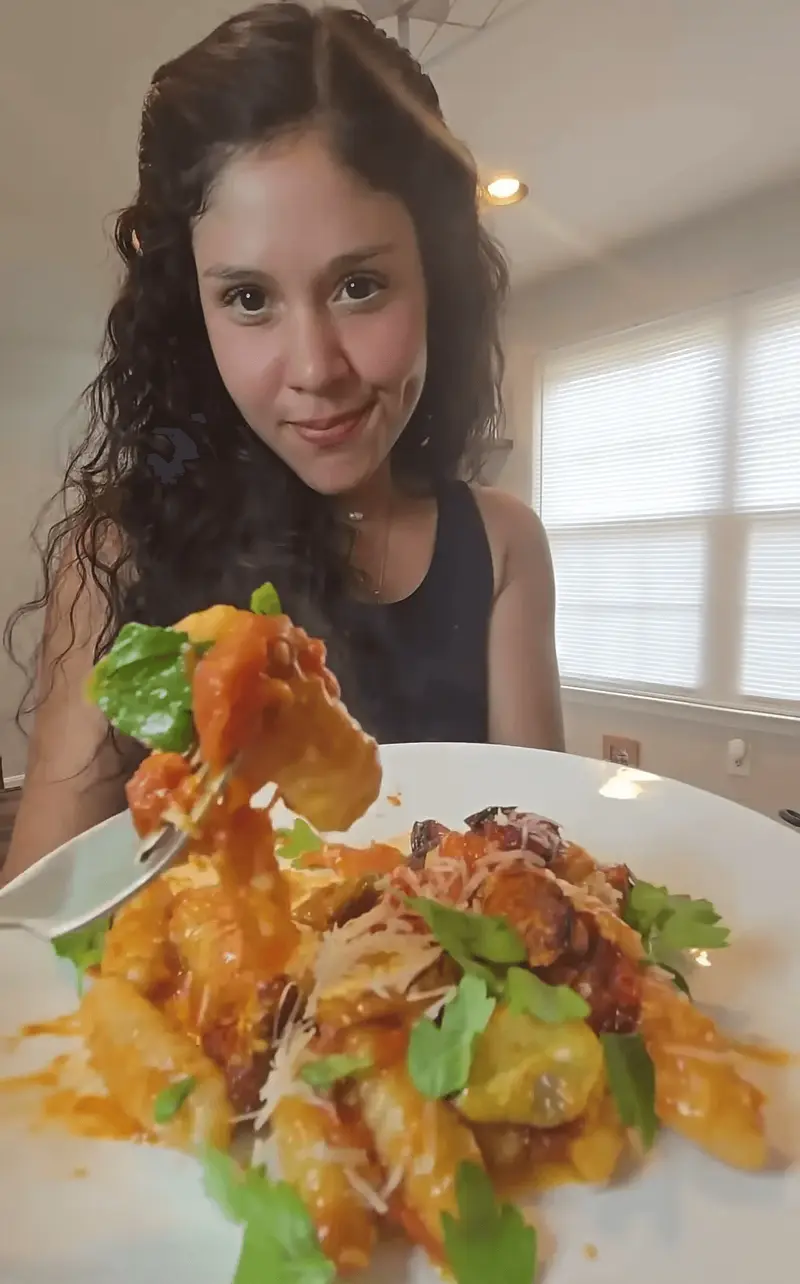
The final steps happen quickly. I wilt the remaining greens with garlic in a pan, boil the ravioli until they float, then combine everything with pasta water to create a silky sauce. The whole process flows beautifully once you've done it once or twice, and the result is always impressive.
Tips from my kitchen
- Any leafy greens work in this recipe: spinach, arugula, kale, or mixed greens - I use whatever needs to be used up
- If you don't have a ravioli mold, I just cut circles with a glass and fold into half-moons
- Keep extra flour handy while rolling to prevent sticking
- Don't let the egg mixture scramble - I maintain gentle heat and whisk constantly
- The pasta dough should be elastic and smooth; if too sticky, add more flour
- Can substitute ricotta cheese mixed with the eggs for a more traditional filling
- I often add fresh herbs like basil to the sauce for extra flavor
- Reserve extra pasta water to adjust sauce consistency if needed
Made it? Tell me how it went