
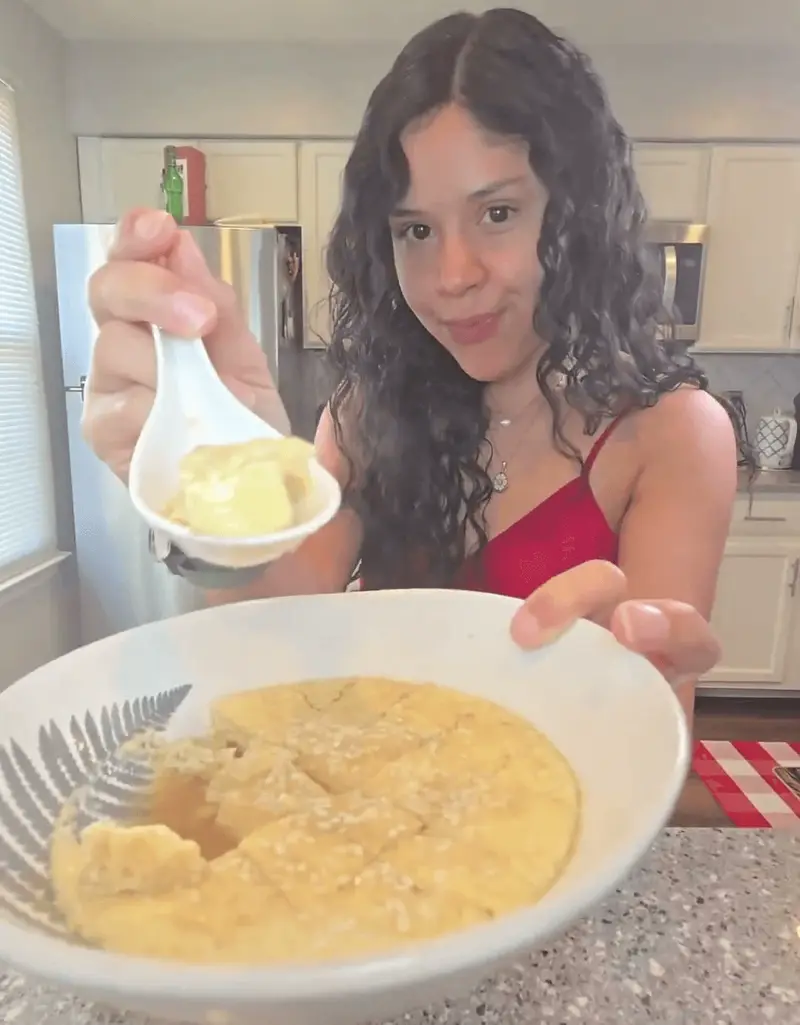
If you've never tried Chinese-style steamed eggs, you're in for a treat. This is my go-to breakfast for slow mornings when self-care is the priority. These eggs have a silky, custard-like texture that literally melts in your mouth - nothing like scrambled or fried eggs. The texture is closer to a savory flan or silken tofu, impossibly smooth and delicate.
This traditional Asian preparation transforms simple eggs into something truly special. The secret is in the gentle steaming method and the precise ratio of eggs to water. While the ingredient list is minimal - just eggs, water, and some flavorful toppings - the technique requires a bit of attention to detail. You'll want to remove all those air bubbles for a perfectly smooth surface, and the steaming needs to happen gently over low heat so the eggs set slowly without becoming rubbery.
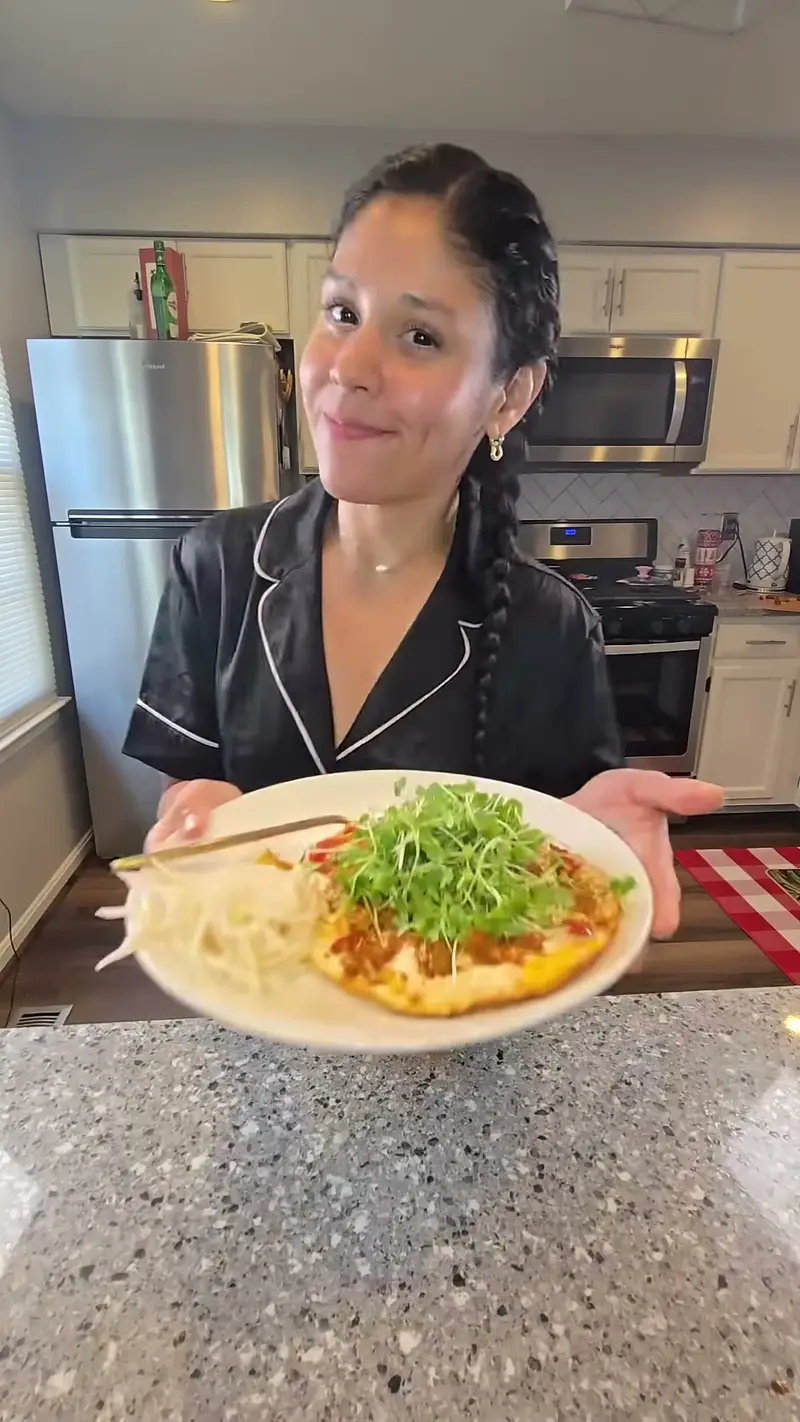
My first time making these was a revelation. They're perfect for those mornings when I want something comforting and protein-rich but also light and delicate. Served with soy sauce, rice vinegar, and sesame seeds, with optional additions like kimchi for crunch or chillies for heat, this is a breakfast that feels both nourishing and indulgent.
I love how this recipe represents the best of Asian cooking - taking the simplest ingredients and using technique to transform them into something extraordinary. There's a meditative quality to the preparation, from carefully whisking the eggs to meticulously removing every air bubble. It forces you to slow down and be present, which is exactly what I need on those mornings when I'm making this dish.
About the ingredients
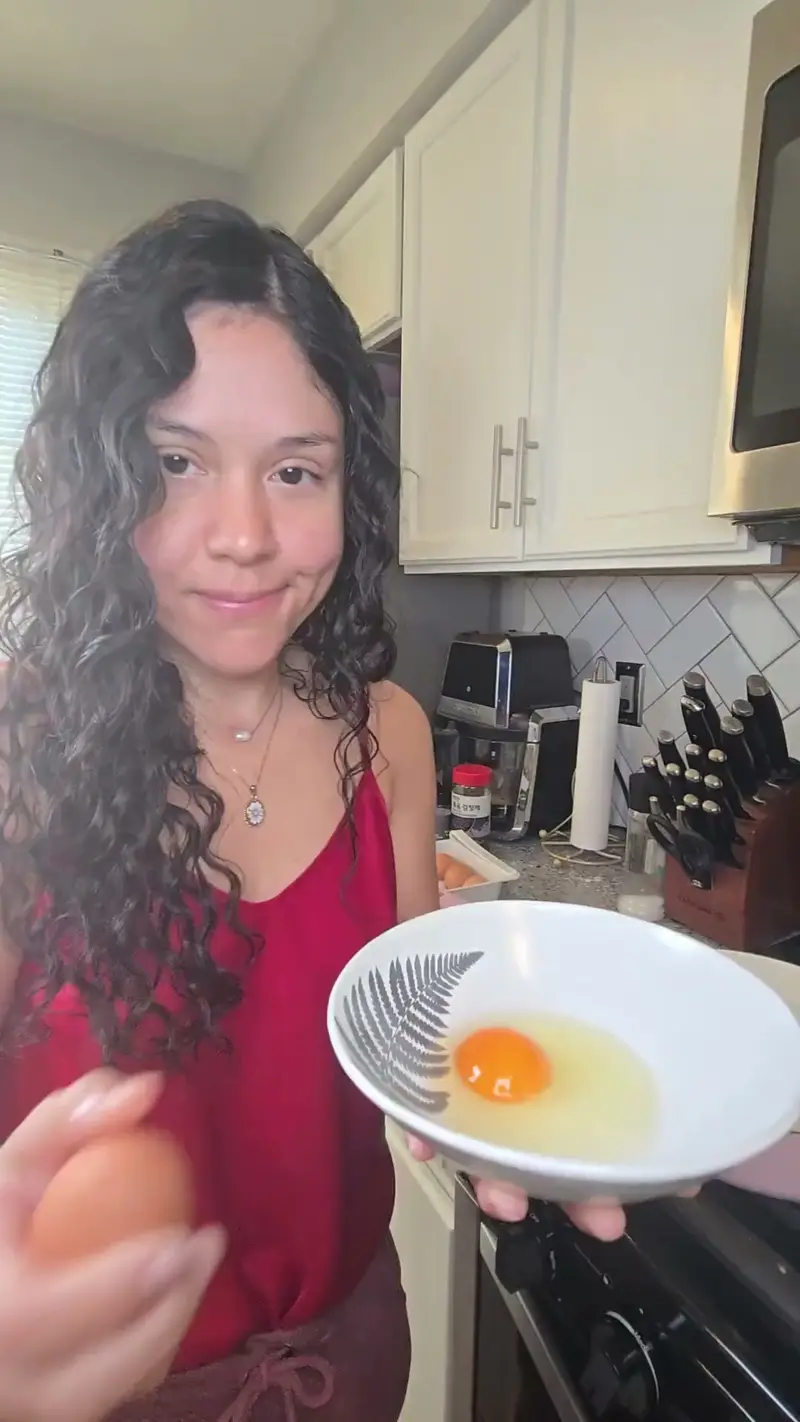
This recipe is deceptively simple with just two main ingredients. You'll need 2 fresh eggs and 1 cup of water - that 1:1 ratio of eggs to water is crucial for achieving the signature silky, custard-like texture. I use warm water (not cold) because it helps the eggs cook more evenly throughout. The magic happens in the steaming technique rather than in complicated ingredients.
For serving, soy sauce and seasoned rice vinegar are essential. The soy sauce provides that savory, umami depth, while the rice vinegar adds a subtle tang that brightens the rich eggs. A sprinkle of sesame seeds adds a touch of nuttiness and visual appeal. Beyond that, I customize with optional additions based on my mood. Kimchi adds crunch and fermented tang. Fresh or crushed chillies bring heat. Green scallions contribute freshness, texture, and a mild onion flavor that complements the eggs beautifully.
I've experimented with this recipe a lot, and I've found that the quality of your eggs really matters here. Since there are so few ingredients, everything is on display. I try to use the freshest eggs I can get. And for the toppings, I love having a variety on hand so I can customize based on what I'm craving that morning. Sometimes I want it simple with just soy sauce and sesame seeds. Other mornings, I load it up with kimchi and chillies for a more robust flavor profile.
How I make it
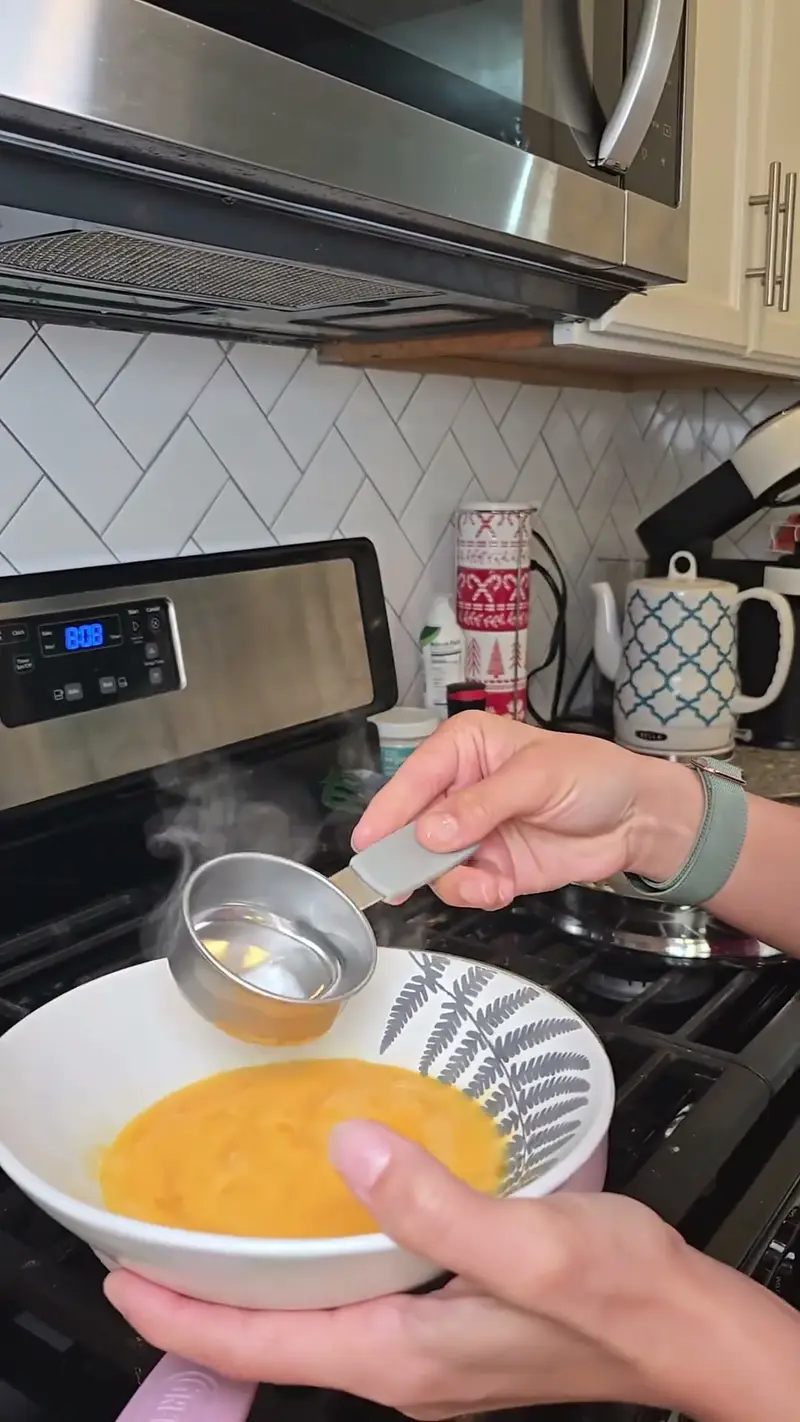
The process starts with setting up your steaming apparatus - I bring a pot of water to a boil and place a steamer rack or basket inside. While that's heating, I whisk together the eggs and warm water until well combined. This is where patience becomes important.
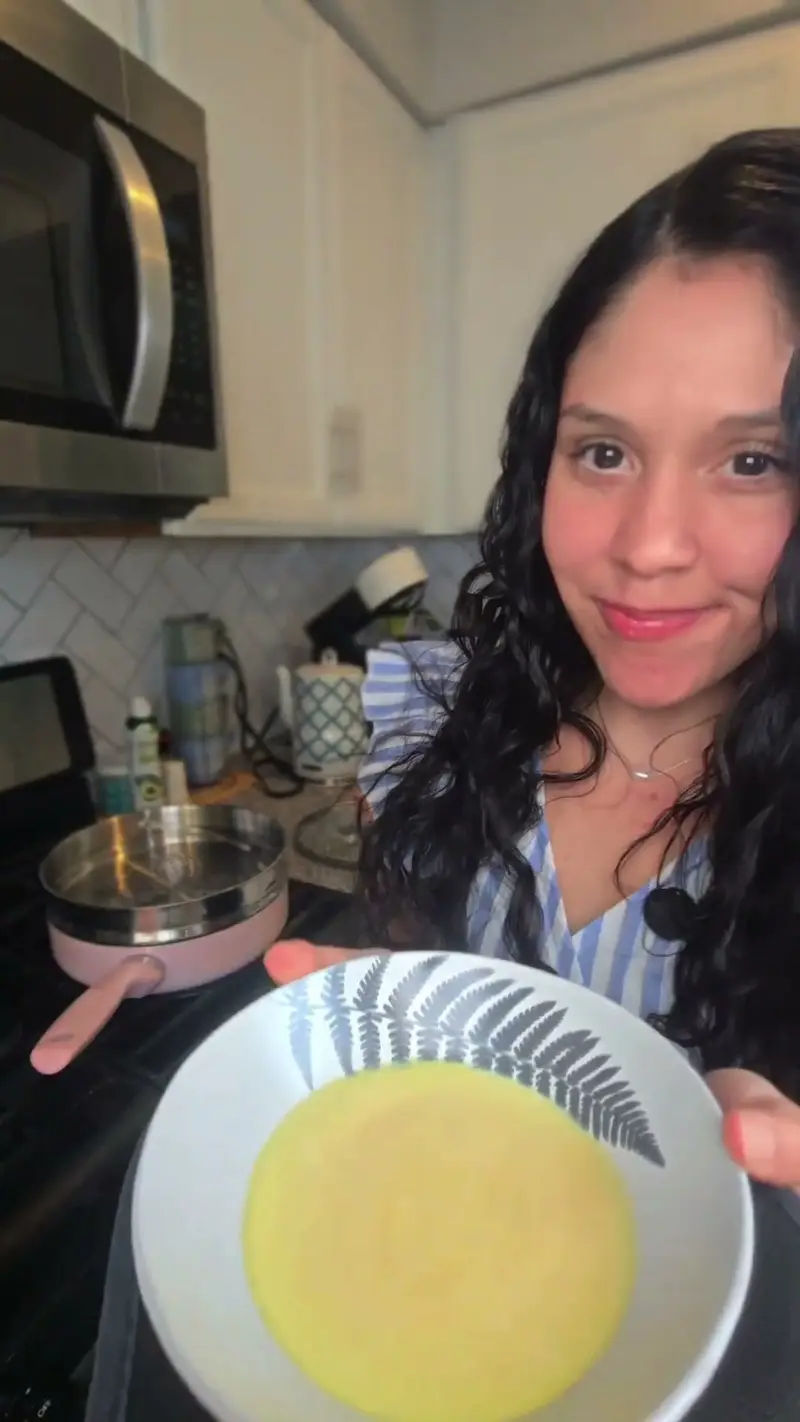
The critical step is removing every single air bubble from the egg mixture. I use a spoon to carefully skim the surface, and I take my time with this because those bubbles will create imperfections in the finished dish. Once the mixture is perfectly smooth, I pour it into a heatproof bowl and place it in the steamer.
The steaming technique varies based on your stove. For very hot stoves, I steam on low for just 2 minutes, then turn off the heat completely and let the residual heat finish the cooking for another 7-8 minutes. For regular stoves, I steam on low heat for 8-10 minutes total. The eggs should be set but still have that gorgeous jiggle in the center, similar to panna cotta.
Once they're done, I carefully remove the bowl from the steamer and add my toppings. A drizzle of soy sauce and rice vinegar, a sprinkle of sesame seeds, and whatever optional additions I'm in the mood for that day. The whole process is surprisingly quick once you get the hang of it, and the result is always impressive.
Tips from my kitchen
- Removing ALL air bubbles is the key to a smooth, glossy surface - I take my time with this step
- Don't overcook - eggs should still jiggle slightly in the center when done
- I use low heat for gentle cooking; high heat will create holes and bubbles
- Cover the bowl with foil or plastic wrap with holes poked in it to prevent water from dripping onto the eggs
- Adjust water amount for different textures: less water makes firmer eggs, more water makes softer eggs
- Try adding a splash of dashi or chicken broth to the water for extra umami flavor
- I often serve this over rice for a complete meal
- Top with crispy fried shallots or garlic for textural contrast
Made it? Tell me how it went